Do I Need an RFID Wallet in Europe?

An RFID wallet is not essential in Europe but can provide added security.
RFID-blocking wallets protect against unauthorized scanning of contactless cards, which can be a concern in crowded areas.
While RFID theft is rare, frequent travelers or those carrying multiple contactless cards may prefer the extra layer of protection.
| Factor | Risk Level | Recommendation |
|---|---|---|
| Card Type | High for older cards Low for modern cards |
If using older cards (without encryption), consider RFID protection. Modern cards are generally secure. |
| Location | Moderate in crowded areas | Use RFID protection in busy locations like major cities and public spaces to guard against unauthorized scans. |
| Frequency of Travel | Moderate to High for frequent travelers |
Frequent travelers may benefit from RFID wallets or sleeves, especially for transit cards and older credit cards. |
| Card-Carrying Habits | High for multiple cards Low for single card |
If carrying multiple contactless cards, RFID wallets can provide broad protection. Fewer cards mean less exposure. |
| Usage Habits | Moderate for public transport users |
For frequent transport card users, RFID wallets add security. Cash users may not need additional protection. |
| Precaution Level | Low with 2FA and activity monitoring |
Activate 2FA and set up banking notifications to quickly spot unauthorized activity. |
| Use of Virtual Cards | Low | Virtual cards or mobile payments (Apple Pay, Google Pay) reduce the need for RFID wallets due to built-in protections. |
What exactly is RFID Technology?

RFID is an acronym for Radio Frequency Identification.
Recently, it's become a feature of more and more credit cards, passports, and transport cards.
It enables contactless payments by transmitting information via radio waves.
This is very convenient but can leave you vulnerable to RFID skimming, which sees criminals using scanners to intercept the signal coming from your card and capture sensitive data without physical contact taking place.
Learn more about how it works here.
How likely is it that I will be affected by this threat?
The majority of modern credit cards issued by major institutions have advanced encryption and security features like tokenization.
These obscure your card details when transactions are being made. This makes it tough for anyone who can intercept the data to use it.
However, if you have an older card or a card from a lesser-known bank, it may not have this protection built in. This will mean it is more vulnerable.
Carrying your card in an accessory that blocks RFID can give you an extra line of defense - see these examples.
Takeaway: Find out about your card's security features. If your card has the latest protections, you will be less likely to be affected. However, if you have an older card or one from a smaller bank, investing in this extra protection is a great idea.
Benefits of an RFID Wallet

If you do decide to opt for an RFID wallet, seek out one that suits your travel habits.
Wallets are available that have been specially designed to block unauthorized cans and can also work well as practical and convenient travel accessories.
- Comprehensive Security: RFID wallets offer comprehensive security by blocking a variety of items, including passports with personal data microchips and transport cards that may be targeted by criminals.
- Sophisticated design: Many RFID wallets feature travel-friendly compartments, keeping cash, cards, and documents organized, accessible, and secure in one place while navigating busy areas like railway stations and airports.
- Quality and longevity: Top RFID wallet models use advanced blocking materials combined with durable fabrics or leather, offering lasting security and longevity. Investing in a high-quality option ensures your wallet remains effective, protecting your cards for years.
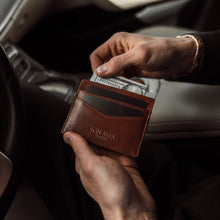
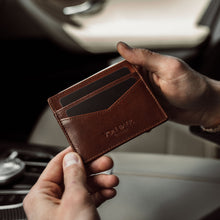
Looking to buy one? See our top picks below:











Your email address will not be published.